How to Celebrate National Volunteer Week 2026: 7 Awesome Ideas
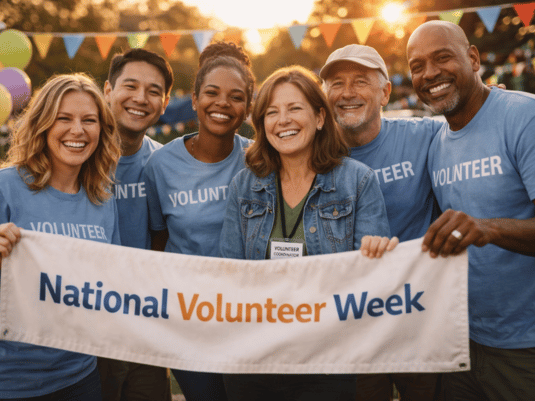
Make National Volunteer Week 2026 count by using it as an opportunity to recognize, engage, and retain volunteers through meaningful appreciation, connection, and growth.
National Volunteer Week 2026 takes place April 19–25, and it is one of the most strategic opportunities your organization has to show volunteers that they matter. Recognized since 1974 and championed by Points of Light, this annual celebration is more than a moment of appreciation—it is a retention strategy that can influence how volunteers view their relationship with your mission for the rest of the year.
AmeriCorps research highlights a critical challenge: roughly one-third of volunteers do not return after their first year. Organizations that successfully retain volunteers are the ones that invest consistently in recognition, clear communication, and a strong sense of belonging—exactly the kind of investments that National Volunteer Week is designed to support.
Whether your program engages fifty volunteers or five thousand, this guide will walk you through seven practical, high-impact ways to make the week truly meaningful—and how to use those same approaches to sustain engagement and strengthen your volunteer community all year long.
Appreciation as a Volunteer Retention Strategy
It can be tempting to treat volunteer appreciation as a simple task—send a thank-you email, share a graphic on social media, and move on. However, the data tells a different story. Research consistently shows that volunteers who feel genuinely valued are far more likely to stay engaged, contribute more hours, and invite others to get involved. One 2023 study found that 83% of volunteers who felt appreciated continued serving, compared to only 43% of those who did not.
If your organization is experiencing volunteer turnover, National Volunteer Week is an ideal moment to reset the relationship and demonstrate that volunteers are central to your mission. For a deeper look at why volunteers leave and what encourages them to return, explore How to Encourage Repeat Volunteerism: 7 Retention Strategies That Work.
Making National Volunteer Week Meaningful
Send Personalized Thank-You Messages That Reference Specific Contributions
Generic “thanks for all you do” messages are well-intentioned, but they rarely create lasting impact. Instead, make your appreciation specific and measurable. Reference what each volunteer has actually contributed—the number of hours they served, the program they supported, or a moment when their efforts clearly moved your mission forward.
A message such as, “Your 47 hours at the food pantry this quarter helped us serve 1,200 additional meals,” carries far more emotional weight than a general note. If your organization tracks hours and impact data in your volunteer management software, gathering these details can be efficient and reliable.
Launch a Social Media Spotlight Series
Dedicate each day of National Volunteer Week to highlighting a different volunteer or team on your social media channels. Share their photo (with permission), a short quote about why they volunteer, and a metric that shows their impact.
This approach does double duty: it makes featured volunteers feel genuinely valued while showing your broader audience—including potential new volunteers—what it looks like to be part of your community. Tag your volunteers so their own networks see the post, organically expanding your reach.
Host an Appreciation Event (In Person or Virtual)
An appreciation event does not need to be lavish to be meaningful. A casual gathering at a local coffee shop, a short ceremony before a regular volunteer shift, or a virtual happy hour for remote volunteers can all create a welcoming space for connection and gratitude. What matters most is being intentional about honoring volunteers, not the size of the budget.
The key is making the experience personal. Encourage your executive director, program leaders, or a board member to share specific stories that illustrate how volunteers have moved the mission forward. Recognizing individuals by name and highlighting their unique contributions helps volunteers feel seen, valued, and essential to your work. You may also choose to present milestone awards for hours served, years of commitment, or standout contributions to formally acknowledge their dedication.
To make the event even more meaningful, invite volunteers to share their own stories or reflections about serving with your organization. This deepens relationships, surfaces powerful narratives you can repurpose in future communications, and reinforces the sense of community that supports long-term retention. Thoughtful touches—such as handwritten notes, small tokens of appreciation, or personalized acknowledgments drawn from your volunteer data- can go a long way in making volunteers feel genuinely appreciated and motivated to continue their involvement.
Share Impact Data That Connects Volunteer Work to Outcomes
Volunteers want to know their time made a difference. National Volunteer Week is the perfect moment to share hard numbers: total hours contributed, meals served, families housed, students tutored, or dollars raised through volunteer-supported events.
Present this data in a visually compelling way: an infographic, a short video, or even a one-page report that volunteers can share with friends and family. When people can see the tangible results of their effort, their emotional investment in your organization deepens.
Gather Feedback Through a Volunteer Experience Survey
Appreciation isn’t just about giving, it’s about listening. Use the week as an opportunity to send a short survey asking volunteers what’s working, what could improve, and what would make them more likely to continue serving.
Keep it concise (five to seven questions is plenty) and make it clear that you intend to act on what you hear. Volunteers who feel listened to are far less likely to disengage. For help crafting effective survey questions, read Crafting Strong Volunteer Survey Questions, and for broader feedback strategies, explore Listening to Your Volunteers: Feedback That Reduces Disengagement.
Create a Peer-to-Peer Recognition Wall
Sometimes the most meaningful recognition does not come from leadership; it comes from fellow volunteers. Create space for this by setting up a physical board at your volunteer site or a digital form where volunteers can write short notes of appreciation to one another.
This type of peer-to-peer recognition helps build a relational culture in which volunteers feel connected not only to the mission but also to the community around them. When volunteers see their peers noticing and celebrating their efforts, it strengthens the social bonds that are among the strongest predictors of long-term engagement and retention.
Offer Volunteers New Growth Opportunities
One of the most overlooked forms of appreciation is giving volunteers the chance to grow. Use National Volunteer Week as an opportunity to introduce new leadership roles, mentorship pairings, skills-based projects, or training workshops that help volunteers expand their impact and build new skills.
When volunteers see a clear path forward, not just repetition of the same tasks, they’re far more likely to stay engaged and deepen their commitment over time. Growth signals that you’re invested in them, not just the work they complete. Even small steps, like offering stretch assignments or shadowing opportunities, can make a big difference in how valued volunteers feel.
This approach is especially effective for engaging younger volunteers, who often cite personal development as a top motivator. In fact, many organizations are finding success by tailoring opportunities specifically to this group, something we explore in more detail in our post on 5 Ways to Engage Generation Z Volunteers.
How to Turn One Week into Year-Round Appreciation
The most effective volunteer programs don’t limit appreciation to a single week in April. They build recognition, feedback, and growth into their ongoing operations. National Volunteer Week is the spark, but the habits you establish during the week should carry forward.
Here are three ways to sustain the momentum:
-
Make recognition a monthly rhythm. Whether it’s a “Volunteer of the Month” feature in your newsletter or a quick shoutout during team meetings, consistent recognition keeps volunteers feeling seen long after the April celebration ends.
-
Track and communicate impact quarterly. Don’t wait until the end of the year to share results. Quarterly updates remind volunteers that their time is translating into tangible outcomes, and they give you natural touchpoints for re-engagement.
-
Invest in communication infrastructure. The right volunteer management software makes it easy to automate appreciation emails, segment communications by role or tenure, and track engagement trends over time.
Make This Your Biggest National Volunteer Week Yet
National Volunteer Week 2026 is April 19–25, and there is still time to plan something that is both meaningful for your volunteers and strategic for your program. The impact of what you do that week extends well beyond a single celebration. Organizations that treat appreciation as a core part of their volunteer strategy consistently see higher retention, stronger volunteer-to-donor pipelines, and more resilient programs overall.
You do not need to implement every idea at once. Start with one or two approaches from this list, commit to doing them well, and build from there as your capacity grows. Your volunteers already believe in your mission. National Volunteer Week is your opportunity to clearly show that you believe in them, too—and that their time, skills, and commitment are essential to your success.
If you’re looking for a volunteer management software that makes recognition, communication, and hour tracking seamless, see how VolunteerHub can help.