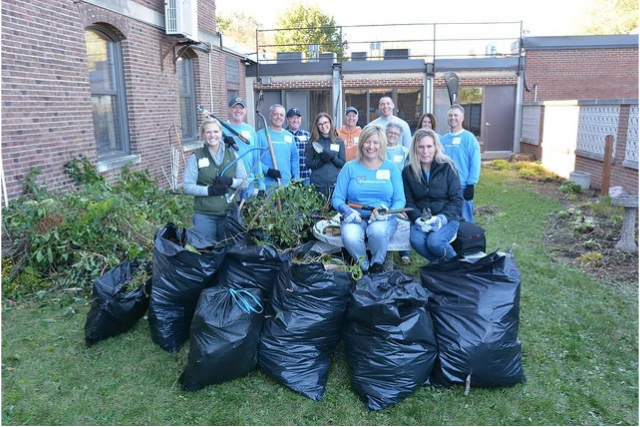


Effective volunteer management in 2026 means meeting volunteer expectations while saving staff time with streamlined processes
Updated: 1/28/2026
Volunteer management has evolved significantly over the past few years, and 2026 brings new opportunities and challenges for organizations that depend on volunteer support. Whether you're managing a handful of dedicated helpers or coordinating hundreds of volunteers across multiple programs, implementing effective management strategies is essential for creating meaningful experiences and achieving your organization's mission.
Today's volunteers expect to be engaged and to have a great experience in exchange for committing their time. They want flexibility, clear communication, recognition for their contributions, and opportunities that align with their values and schedules. Meeting these expectations while maintaining operational efficiency requires a thoughtful approach that combines technology, personal connection, and strategic planning.
Start with Clear Role Definitions and Expectations
One of the most common reasons volunteers become disengaged is a lack of clarity about their roles and responsibilities. Before recruiting volunteers, take time to define exactly what each volunteer position entails. Create detailed role descriptions that outline the time commitment, required skills, specific tasks, and expected outcomes.
These descriptions serve multiple purposes. They help potential volunteers self-select into roles that match their interests and availability, reduce confusion during onboarding, and provide a framework for accountability. When volunteers understand what's expected of them from the beginning, they're more likely to feel confident and committed to their work.
Be realistic about time commitments. If a role requires four hours per week, don't undersell it as "just a couple of hours" to attract more applicants. Transparency builds trust and leads to better retention rates. Include information about training requirements, necessary background checks, and any flexibility in scheduling to help volunteers make informed decisions about their participation.
Embrace Technology for Streamlined Communication
In 2025, volunteer management software is essential for organizations managing large-scale volunteer programs. Volunteer management software has become an essential tool for centralizing volunteer information, automating communication, digitizing scheduling, managing hour tracking, and streamlining reporting in one accessible platform.
Just automating communications can save countless hours while ensuring volunteers receive timely information and remain engaged. Set up automatic reminders for upcoming shifts, confirmation emails when volunteers sign up for opportunities, and thank-you messages after they complete their volunteer work. These small touches demonstrate professionalism and keep volunteers informed without requiring manual effort from your volunteer coordinator.
Mobile accessibility is non-negotiable to many volunteers today. Volunteers should be able to view their schedules, sign up for opportunities, log hours, and communicate with coordinators from their smartphones. The easier you make it for volunteers to engage with your organization, the more likely they are to remain active participants.
Consider implementing a centralized communication hub where volunteers can access important documents, training materials, and organizational updates. This reduces the flood of emails and ensures everyone has access to current information when they need it.
Develop a Comprehensive Onboarding Process
First impressions matter tremendously in volunteer management. A well-designed onboarding process sets the tone for a volunteer's entire experience with your organization and significantly impacts retention rates.
Start with a warm welcome that makes new volunteers feel valued from day one. Assign a buddy or mentor who can answer questions and provide guidance to help new volunteers feel acclimated to their role. This personal connection can help new volunteers feel less overwhelmed and more integrated into your organizational culture.
Provide thorough training that covers both practical skills and your organization's mission and values. Volunteers who understand the broader impact of their work are more motivated and engaged. Include information about safety procedures, communication protocols, and who to contact with questions or concerns.
Don't overload new volunteers with too much information at once. Break training into manageable segments and provide reference material that they can review later. Consider creating short video tutorials or quick-reference guides for common tasks that volunteers can access whenever needed.
Some volunteer programs are even integrating learning management software (LMS), such as a way to make onboarding more engaging for volunteers.
Create Meaningful Recognition Programs
Recognition is a powerful motivator for volunteers who donate their time and energy to support your cause. While the intrinsic reward of helping others is important, external recognition reinforces the value of their contributions and strengthens their connection to your organization. Effective volunteer recognition strategies are key to long-term volunteer retention.
Implement both formal and informal recognition practices. Formal recognition might include volunteer appreciation events, service milestone rewards and recognition, or certificates of achievement. These acknowledgments celebrate volunteer contributions and create a sense of community among your volunteer team.
Informal recognition is equally important and should happen regularly. A simple thank-you message after a shift, highlighting a specific contribution in a team meeting, or sharing volunteer stories on social media all demonstrate genuine appreciation. Personalize your recognition whenever possible—mentioning specific actions or outcomes makes the acknowledgment more meaningful.
Consider creating a volunteer spotlight program where you feature different volunteers each month on your website or social media channels. This not only recognizes individual contributions but also showcases the diverse ways people can get involved with your organization.
Offer Flexibility and Diverse Opportunities
The volunteers of 2025 have busy lives with many obligations fighting for their time and attention. Offering flexible volunteering opportunities increases accessibility and allows more people to contribute their time and skills.
Provide a mix of one-time, short-term, and ongoing opportunities. Some people want to make a long-term commitment, while others prefer to help out occasionally when their schedules allow. Flexibility is key to increasing your volunteer pool. Virtual volunteering options expand your volunteer pool and accommodate those who can't physically be present but still want to contribute.
Skills-based volunteering has become increasingly popular. Look for ways volunteers can contribute their professional expertise, whether that's marketing, graphic design, financial analysis, or even strategic planning. These opportunities feel more meaningful to volunteers while providing valuable services your organization might not otherwise afford.
Group volunteering opportunities appeal to people who want to volunteer with friends, family, or colleagues. Some volunteer management solutions, such as VolunteerHub, offer features for managing volunteer groups. Corporate volunteer programs remain strong in 2025, so make it easy for companies to engage their employees in volunteer activities with your organization.
Maintain Regular Communication and Feedback Loops
Effective volunteer management requires ongoing two-way communication. Regular check-ins with volunteers help you identify potential issues before they lead to disengagement while demonstrating that you value their input and experience.
Schedule periodic one-on-one conversations with volunteers to discuss their satisfaction, gather feedback on their experience, and identify any support they might need. These conversations also provide opportunities to recognize their contributions and discuss potential growth opportunities within your volunteer program.
Create channels for volunteers to share suggestions and concerns. Whether it's a suggestion box, regular surveys, or open office hours with volunteer coordinators, make it clear that you welcome feedback and act on it when possible. When volunteers see their input leading to positive changes, they feel more invested in your organization.
Volunteers want to know that their work makes a difference. Provide concrete examples and data about how volunteer contributions have helped your organization achieve its goals. These updates reinforce the value of volunteer work and maintain motivation over time.
Invest in Volunteer Coordinator Training
The success of your volunteer program largely depends on the skills of your volunteer coordinators. These team members need strong interpersonal skills, organizational abilities, and the capacity to motivate and support diverse groups of people.
Provide professional development opportunities for volunteer coordinators, including training in conflict resolution, cultural competency, volunteer management best practices, and the effective use of technology tools. When your coordinators feel confident and supported, that positive energy extends to the volunteers they manage.
Measure Success and Continuously Improve
Track key metrics to understand the health of your volunteer program. Monitor volunteer retention rates, volunteer satisfaction scores, recruitment conversion rates, and the number of volunteer hours contributed. These metrics help you identify trends, celebrate successes, and address areas needing improvement.
Conduct annual volunteer surveys to gather comprehensive feedback about the volunteer experience. Ask questions about training quality, communication effectiveness, recognition adequacy, and overall satisfaction. Asking the right survey questions can provide valuable insights into areas for improvement. Use this data to make informed decisions about program improvements.
Stay current with trends in volunteer management. Attend conferences, join professional networks, and learn from other organizations. The field of volunteer management continues to evolve, and staying informed helps you implement innovative approaches that attract and retain volunteers.
Building Sustainable Volunteer Programs
Managing volunteers effectively in 2026 requires a blend of strategic planning, technology utilization, personal connection, and continuous improvement. By providing clear expectations, streamlined communication, meaningful recognition, and flexible opportunities, you create an environment where volunteers feel valued and motivated to contribute their time and talents.
Remember that every volunteer is an individual with unique motivations, skills, and availability. The most successful volunteer programs recognize this diversity and create systems that accommodate different needs while maintaining organizational effectiveness. When you invest in effective volunteer management, you're not just filling positions—you're building a community of passionate supporters who amplify your organization's impact and help you achieve your mission.
For more insights on volunteer management best practices, explore our collection of resources, including guides, templates, and case studies to help strengthen your volunteer program.