
How to Make Year-End Volunteer Recognition More Meaningful & Personal

Year-end volunteer recognition allows organizations to thank people for the time, consistency, and effort they contributed throughout the year. The challenge is making that recognition feel personal.
A general thank-you message may be appropriate for your full volunteer base, but volunteers who contributed regularly, stepped into important roles, or supported your program over a long period of time often deserve something more specific. That does not mean writing hundreds of completely different letters. In many cases, a few reliable details about a volunteer’s participation can make a thank-you message much more meaningful.
For volunteer coordinators managing large programs, the goal is to create a recognition process that feels personal without turning into another major year-end administrative project. A good starting point is the information you already have about how volunteers participated throughout the year.
Use Data to Personalize Year-End Recognition
The easiest way to make volunteer recognition more personal is to reference a real contribution. That might include the number of hours someone volunteered, the shifts they completed, the program they supported, the events they attended, or how long they have been involved with your organization.
Instead of writing, “Thank you for everything you do for our organization,” you might say, “Thank you for contributing 46 hours to our food distribution program this year and consistently supporting our Tuesday afternoon shifts.”
The second message requires only a little more information, but it shows the volunteer that their specific contribution was noticed.
This is also one reason accurate volunteer records matter beyond reporting. Participation data can support stronger communication, recognition, and engagement throughout the volunteer experience. Consistently tracking volunteer hours can make it much easier to recognize those contributions accurately at the end of the year.
What Volunteer Information Should You Use for Recognition?
Volunteer hours are useful, but they do not tell the entire story. Some volunteers may serve frequently in shorter shifts, while others may volunteer less often but take on responsibilities that are especially important to the organization. A volunteer who trains new participants, coordinates a group, fills difficult shifts, or supports a specialized program may have an impact that is not obvious from hours alone.
When planning year-end volunteer recognition, consider reviewing total hours served, shifts or events completed, programs or roles supported, length of service, group participation, and leadership or training responsibilities.
You do not need to include every available data point in a thank-you message. One or two relevant details are usually enough. The goal is to give volunteers a clear indication that their involvement was noticed and understood.
Recognition can also take different forms throughout the year. If you are looking beyond year-end messages, these volunteer recognition ideas provide additional ways to acknowledge contributions without making recognition overly complicated.
Personalize Recognition for Different Types of Volunteers
Not every volunteer needs the same type of recognition. A one-time event volunteer may appreciate a short email thanking them for helping make the event possible. Someone who volunteers every week may warrant a more personal note that acknowledges their consistency. A long-tenured volunteer may deserve recognition that reflects their ongoing relationship with the organization.
Volunteer groups require a slightly different approach. Recognizing the group’s combined contribution can be meaningful, but it is also worth acknowledging the person who coordinated the group. Scheduling participants, communicating details, and organizing attendance often requires considerable work behind the scenes.
Creating a few simple recognition categories can make the process easier without making it feel impersonal. Your organization might separate volunteers into occasional volunteers, recurring volunteers, long-tenured volunteers, group volunteers, and volunteers who took on additional responsibilities during the year. From there, you can determine the appropriate message or recognition approach for each group.
Connect Recognition to Real Program Impact
Recognition becomes stronger when volunteers can see how their contribution supported the organization’s work. If volunteers helped distribute meals, prepare supplies, staff events, support visitors, mentor participants, or complete another measurable activity, mention that outcome when appropriate.
For example, you might write, “Your support during our Saturday shifts helped us keep the program fully staffed during one of our busiest periods of the year.” For a group, you might say, “Your team contributed 72 hours across four events, giving our staff additional support during each one.”
Specific outcomes help volunteers understand how their time is connected to the larger work of the organization. Avoid overstating impact or relying on language that could apply to any volunteer at any nonprofit. If you do not have a clear outcome to reference, accurate participation information is enough.
Recognition also plays a role in the broader volunteer experience. Volunteers are more likely to understand the value of their contribution when organizations communicate clearly, provide meaningful roles, and acknowledge participation consistently. These same principles are important when working to improve the volunteer experience.
Keep Thank-You Messages Focused on Appreciation
A volunteer thank-you message does not need to accomplish several things at once. Whenever possible, avoid turning year-end recognition into another recruitment message, donation request, survey, or program update. Those communications may all have a place, but including too many objectives can take attention away from the reason for the message.
If you want to invite a volunteer to participate again, keep the invitation brief and place it near the end. The primary message should remain simple: your organization noticed what the volunteer contributed and appreciates the time they gave.
For organizations that want to add a small gift to year-end recognition, there are also ways to do that without requiring a large budget. These inexpensive and free holiday gift ideas for volunteers can complement a more personal thank-you message.
How to Scale Volunteer Recognition for Larger Programs
For larger volunteer programs, writing an entirely unique message to every volunteer may not be realistic. A more manageable approach is to combine broader recognition with more personalized communication.
You might send a year-end message to everyone who volunteered during the year while writing individual notes to recurring, long-tenured, or especially involved volunteers. You can also create different versions of a message based on participation. Someone who volunteered at one event does not necessarily need to receive the same message as someone who contributed 100 hours across multiple programs.
This is where organized volunteer data becomes especially useful. When volunteer coordinators can quickly identify who participated, where they served, and how often they volunteered, year-end recognition becomes much easier to plan and personalize.
The same information can also help coordinators identify changes in participation. A volunteer who was highly active earlier in the year but has stopped signing up may need a different kind of communication than someone who continues to participate regularly. Paying attention to those patterns can help organizations recognize signs of volunteer burnout before disengagement becomes permanent.
What to Include in a Volunteer Thank-You Letter
A strong volunteer thank-you letter does not need to be long. In most cases, 100 to 150 words is enough to acknowledge the contribution, provide some context, and express genuine appreciation.
Start by mentioning what the volunteer did. Add a relevant number or detail, such as hours served, shifts completed, years of service, or events supported. When possible, connect that contribution to an outcome for the program, organization, or people you serve. Most importantly, keep the focus on gratitude instead of immediately asking the volunteer to do something else.
The following volunteer thank-you letter examples can be adapted using information from your own program.
Thank-You Letter Example for a Recurring Volunteer
Dear [First name],
Thank you for everything you contributed to [organization] this year. You volunteered for [number] hours across [number] shifts and provided consistent support to our [program or role].
Your reliability helped our team [specific outcome], and we appreciate the time and care you continued to bring to each shift.
Thank you for being such an important part of our volunteer program. We are grateful to have you involved.
With appreciation,
[Your name]
Thank-You Letter Example for a Long-Tenured Volunteer
Dear [First name],
This year marked [number] years of volunteering with [organization], and I wanted to personally thank you for your continued involvement.
Over that time, you have supported [program or role] and contributed [number] hours to our work. This year, you also [specific contribution].
Your experience and consistency have meant a great deal to our team. Thank you for everything you continue to contribute.
Gratefully,
[Your name]
Thank-You Letter Example for an Event Volunteer
Dear [First name],
Thank you for volunteering with us at [event name] on [date]. Your help with [specific role] contributed to [specific outcome].
We appreciate you choosing to spend your time with our organization and helping make the event possible.
Thank you again for being part of it.
Best,
[Your name]
Thank-You Letter Example for a Volunteer Group
Dear [Group name],
Thank you for volunteering with [organization] this year. Together, your group contributed [number] hours across [number] events and helped with [specific activity].
Your support helped our team [specific outcome], and we appreciate everyone who took the time to participate.
Thank you for continuing to support our work.
Best,
[Your name]
How Volunteer Management Software Supports Volunteer Recognition
Personalized recognition becomes much easier when volunteer participation is already being tracked throughout the year. Volunteer management software can give coordinators a centralized way to review participation, service hours, events, roles, and other information before preparing year-end communications.
VolunteerHub helps organizations maintain volunteer participation and hour data so coordinators can better understand how individuals and groups have been involved. Reports can help identify recurring volunteers, review participation during a specific period, and provide details that can be incorporated into recognition messages.
User Groups can also help organizations organize volunteers into relevant segments for communication. Coordinators might use groups to distinguish between recurring volunteers, participants in a particular program, or other volunteer segments when planning outreach.
The technology does not replace a thoughtful thank-you. It makes the information needed to write one easier to find and gives coordinators a more reliable picture of how volunteers have participated throughout the year.
Build Volunteer Recognition Into Your Volunteer Management Strategy
Year-end volunteer recognition becomes easier when it is supported by good volunteer management throughout the year. Accurate volunteer records, consistent hour tracking, and clear participation data give coordinators a better understanding of who is volunteering, where they are involved, and how their participation changes over time.
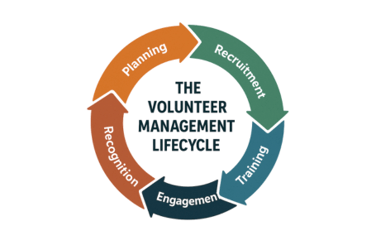
That information can be useful well beyond December. It can support volunteer communication, recognition, reporting, retention, and decisions about how to strengthen the volunteer experience. Recognition can also be part of a broader strategy for improving volunteer morale throughout the year rather than something reserved for a single year-end campaign.
You do not need to begin with a large recognition initiative. Start with a manageable group of volunteers, review what they contributed, and use those details to make your message more specific. Meaningful recognition does not need to be complicated. It should show volunteers that the time they gave was noticed, understood, and appreciated.