
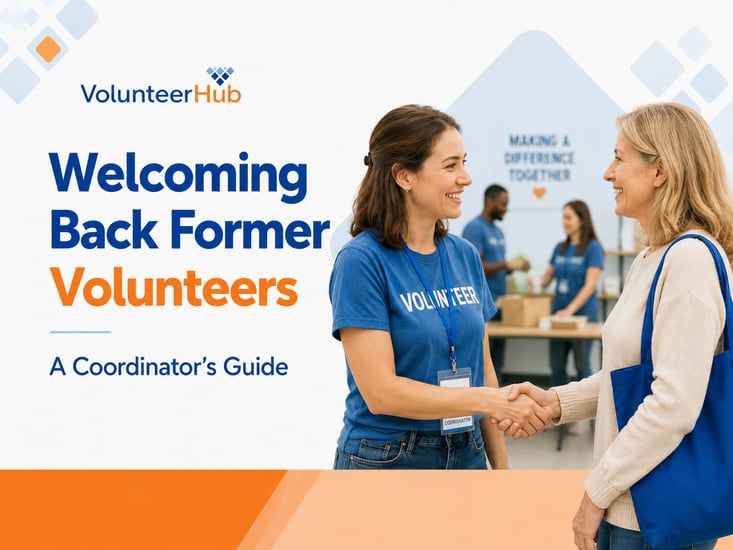
Recruiting new volunteers is important, but former volunteers may be one of the most valuable groups your nonprofit can reconnect with. These individuals already know your organization, understand your mission, and have given their time before. In many cases, they may still care deeply about your cause, even if life, scheduling challenges, or other responsibilities pulled them away for a season.
Welcoming former volunteers back is not just about filling open shifts. It is about rebuilding relationships, making people feel valued, and creating a simple path for them to re-engage when the timing is right.
With a thoughtful approach, volunteer coordinators can turn past supporters into active participants again while strengthening long-term volunteer retention.
Why Re-Engage Former Volunteers?
Former volunteers are not starting from zero. They already have some level of familiarity with your nonprofit’s mission, programs, and volunteer expectations. That existing connection can make re-engagement more efficient and meaningful than starting from scratch with brand-new volunteers.
Past volunteers may also have skills, experience, and institutional knowledge that are valuable to your organization. Someone who previously supported an annual event, mentored participants, helped with administrative tasks, or served in a specialized role may be able to step back in more quickly than a first-time volunteer.
Re-engaging former volunteers also gives your nonprofit an opportunity to strengthen relationships that already exist. A thoughtful invitation back can remind volunteers that their past contributions mattered and that they are still welcome in your volunteer community.
For organizations focused on building a stronger pipeline of support, reconnecting with former volunteers can also complement broader volunteer recruitment strategies.

Start With Empathy When Re-Engaging Former Volunteers
Volunteers step away for many reasons. Some experience major life changes, such as a new job, a move, family responsibilities, school schedules, or health concerns. Others may have paused because of burnout, scheduling conflicts, unclear communication, or a volunteer role that no longer felt like the right fit.
It is important not to assume that a former volunteer left because they lost interest in your mission. Many people still want to help, but they may need a different opportunity, a more flexible schedule, or a simple reminder that they are still welcome.
The goal is not to make former volunteers feel guilty for stepping away. The goal is to make them feel appreciated if they are ready to return.
A warm, understanding tone can make a big difference. Instead of leading with what your organization needs, start by acknowledging their past support and inviting them back in a way that feels low-pressure.
For more insight into why volunteers may stop participating, see this post on why volunteers quit and how to retain them.

Review Volunteer History
Before reaching out, take time to understand how each volunteer was involved in the past. Reviewing their previous experience can help you make your outreach more relevant and personal.
Look at details such as previous roles, events or programs they supported, skills or interests they shared, how often they volunteered, when they were last active, and any preferences they provided about availability or communication.
This information can help you avoid sending a generic message that does not match their interests. For example, a former volunteer who helped at annual fundraising events may respond well to an invitation for an upcoming event. Someone who previously volunteered every week may appreciate a message that acknowledges their consistent past involvement. A skilled volunteer who helped with marketing, finance, or technology may be interested in a project-based opportunity that uses their expertise.
A volunteer management system can make this step easier by keeping volunteer history organized in one place. However, the purpose of reviewing this information is not just administrative. It is about using what you know to create a better, more thoughtful experience for the volunteer.

Send a Welcome-Back Message to Returning Volunteers
Your re-engagement message should feel personal, appreciative, and easy to respond to. Former volunteers should feel remembered, not treated like names on a list.
A strong welcome-back message should thank them for their previous support, briefly remind them of the impact they helped create, let them know they would be welcomed back, share one or two relevant opportunities, and make the next step simple.
Example message:
Hi [First Name],
We’re grateful for the time you previously gave to [Organization Name]. Your support helped us [brief impact statement], and we wanted to let you know we would be happy to welcome you back whenever the timing feels right.
We have a few upcoming opportunities that may be a good fit based on your past involvement, including [opportunity name] and [opportunity name]. You can view available shifts here: [link].
Thank you again for being part of our volunteer community. We would love to reconnect when you are ready.
Keep the message short and sincere. Avoid making the volunteer feel pressured to explain why they stepped away. Instead, open the door and make returning feel comfortable.
Reduce Barriers for Returning Volunteers
Even if a former volunteer is interested, they may hesitate if the process feels complicated. They may wonder whether they need to complete paperwork again, attend training, update their information, or start over as if they are brand new.
Clear communication can remove that uncertainty.
Make sure returning volunteers know exactly what to do next. This might include choosing a shift, updating their availability, reviewing current requirements, or attending a short refresher training.
Simple phrases can help reduce friction:
“Choose a shift that works for your schedule.”
“Update your availability in just a few minutes.”
“Join us for a quick refresher before your first shift back.”
“Start with a one-time opportunity before committing to more.”
If requirements have changed since they last volunteered, be upfront about what is needed. This may include background checks, waivers, orientation, safety training, or updated policies. The more clearly you explain the process, the easier it is for someone to say yes.
For returning volunteers who need a refresher, a strong onboarding process can help rebuild confidence. Our guide to volunteer onboarding and retention offers helpful ideas for creating a better volunteer experience.

Offer Flexible Opportunities to Increase Return Rate
Former volunteers may still want to help, but they may not be able to return in the same way they served before. A volunteer who once had time for a weekly shift may now only be available for occasional events. Someone who previously volunteered in person may now prefer remote or project-based work.
Offering flexible volunteer opportunities helps former volunteers see a realistic path back.
Consider promoting opportunities such as one-time events, seasonal volunteer roles, short-term projects, remote or virtual support, skilled volunteer opportunities, committee or advisory roles, weekend or evening shifts, and family-friendly opportunities.
Flexibility communicates that your organization values the volunteer’s contribution, even if their availability has changed. It also gives returning volunteers a way to rebuild momentum without feeling overwhelmed.
Flexible opportunities can also improve the overall volunteer experience by helping people find roles that better match their availability, interests, and strengths.

Rebuild Mission Connection with Lapsed Volunteers
Volunteer re-engagement works best when it begins with connection, not just a request to fill a shift.
Former volunteers may need to be reminded why they got involved in the first place. Sharing impact updates, success stories, program milestones, and volunteer achievements can help reconnect them with the mission.
For example, you might send a message that says:
Because of volunteer support this year, we were able to serve 500 more families than last year.
Or:
We’re reconnecting with volunteers who have helped make our annual event possible in past years. Your support has been part of that impact.
These messages help former volunteers feel connected to something meaningful. They also show that your organization values relationships, not just availability.
Before asking someone to take on a major role, consider inviting them to take a small step first. That might be attending an appreciation event, joining a short-term project, reading a recent impact update, or signing up for a single shift.
Recognize Past Contributions
Former volunteers should not feel forgotten. When you reach out, acknowledge that they have already contributed to your mission.
Recognition does not have to be elaborate. A simple thank-you message can be powerful when it is specific and sincere. You might reference the program they supported, the number of hours they gave, or the impact of a past event they helped make possible.
Recognition can also happen through volunteer spotlights, anniversary or milestone messages, thank-you notes, impact reports, appreciation events, and personal follow-up from staff.
When people feel valued, they are more likely to return and stay engaged. Appreciation reminds former volunteers that their past service mattered and that their future involvement would be meaningful, too.
For more retention-focused guidance, check out this post on how to retain more volunteers.

Use Volunteer Management Software to Identify and Engage
Welcoming former volunteers back is a relationship-building effort, but the right tools can make that effort easier to manage.
VolunteerHub can help nonprofits organize volunteer records, identify inactive volunteers, segment communications, promote current opportunities, simplify registration, and manage scheduling. Instead of relying on scattered spreadsheets or manual follow-up, coordinators can use volunteer history and communication tools to create a more organized re-engagement process.
Technology should support the human side of volunteer management. When coordinators can quickly understand a volunteer’s past involvement and share relevant opportunities, they are better equipped to send outreach that feels personal, timely, and useful.
If your organization is evaluating ways to streamline administrative work, our post on software for volunteer coordinators explains how the right tools can help coordinators manage volunteer programs more efficiently.

Keep All Volunteers Engaged
Once a former volunteer comes back, the work is not finished. The return experience can influence whether they stay engaged or drift away again.
Make sure returning volunteers feel supported from the beginning. Provide clear instructions, answer questions, and check in after their first shift or project. Ask how the experience went and whether they would like to hear about similar opportunities in the future.
Consistent communication is also important. Keep volunteers informed about upcoming needs, organizational impact, and ways their support is making a difference. Continue thanking them, recognizing their contributions, and offering roles that match their interests and availability.
A strong re-engagement strategy should not only bring volunteers back. It should help them feel connected enough to stay.
Strengthen Your Volunteer Program with VolunteerHub
Former volunteers already have a connection to your mission. They may remember the people they served, the events they supported, and the role they played in helping your organization move forward. With the right approach, you can make returning feel natural, appreciated, and worthwhile.
Start with empathy. Personalize your outreach. Offer flexible opportunities. Make the process simple. Most importantly, help former volunteers feel remembered and valued.
Volunteer re-engagement is not just a recruitment strategy. It is a relationship strategy.
VolunteerHub helps nonprofits simplify volunteer communication, registration, scheduling, and engagement, making it easier to welcome former volunteers back and keep them connected.